
Jay Ballesteros
Master of Public Policy (MPP) candidate at The University of Chicago
jballesteros [at] uchicago.edu resume
 linkedin
 github
Here are a few examples of projects and publications I’ve worked on that might be relevant. Some consulting work can’t be shared due to NDAs, but I’m happy to talk through it if helpful.
Open publications
Slowing the Race Toward AGI: International Coordination and Domestic Measures to Reduce Catastrophic Risk
June 2026 | Existential Risk Laboratory (XLab), University of Chicago
I wrote this policy brief as part of the AI Policy Fundamentals study group at UChicago’s Existential Risk Laboratory (XLab). It frames AI safety as a collective action problem, where commercial and geopolitical competition pushes firms and governments to prioritize speed of deployment over the safety of their models. Drawing on recent work in economics and AI governance, the brief argues that regulation is one of the few mechanisms that can shift those incentives toward reducing catastrophic risk.
The recommendations work across two complementary levels: a binding international agreement as a long-term goal –anchored on verifiable compute thresholds and chip tracking– and domestic measures (model transparency and evaluation, compute nonproliferation, and slowdown commitments) that can reduce risk in the near term while building the technical groundwork for such an agreement.
Atopic Dermatitis: Beyond the Skin. Impact on quality of life in México
May 2024 | Fundación IDEA
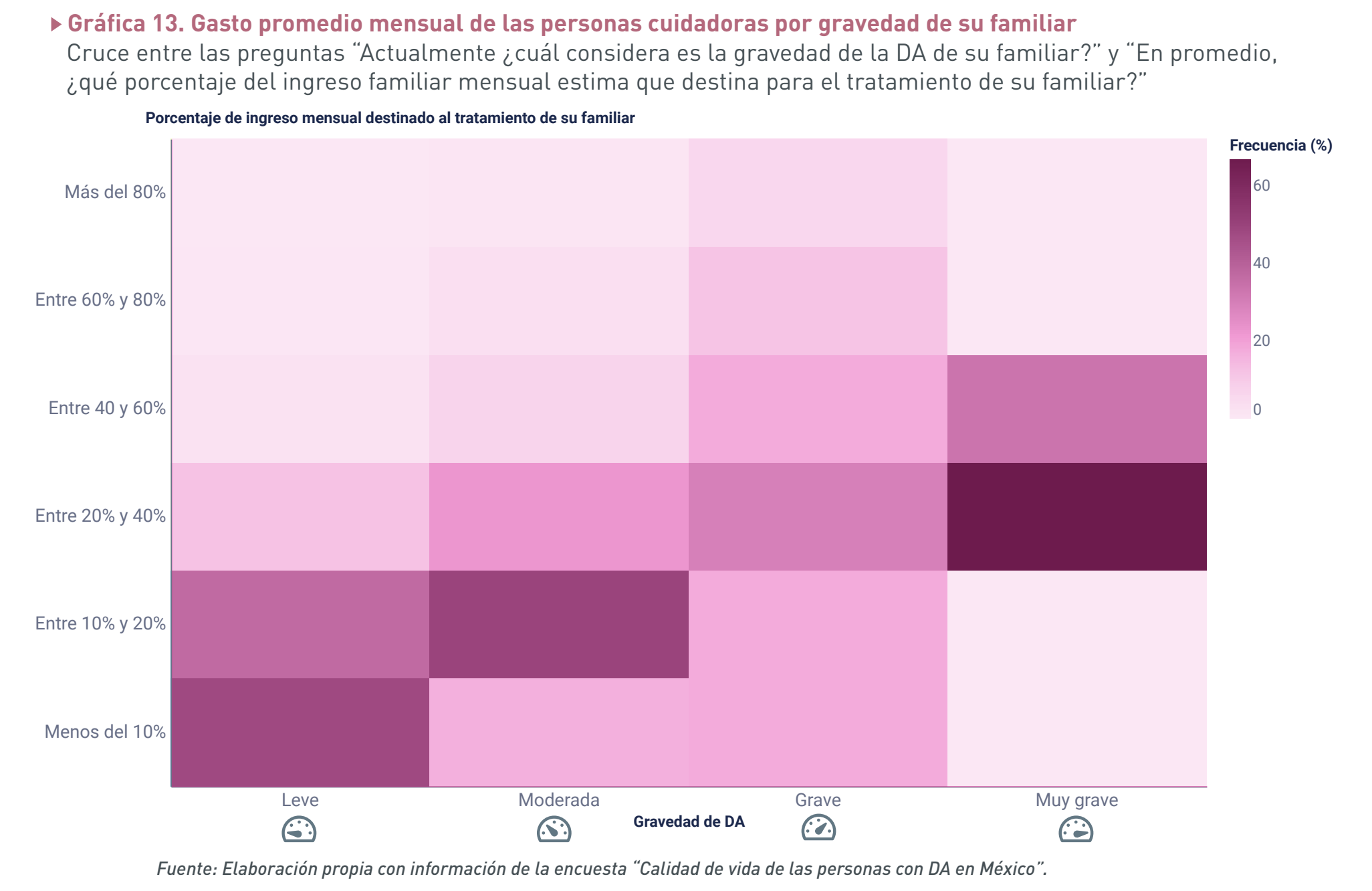
During my time as a Senior Analyst at Fundación IDEA, I co-authored this report on atopic dermatitis in Mexico. The publication examines the multifaceted impact of the disease on patients’ quality of life, including physical discomfort, psychological effects, and social implications. It also highlights the disease’s economic burden, covering both direct medical costs and indirect costs.
My responsibilities included designing the methodology and survey instruments, conducting interviews and data collection, and performing descriptive statistical analysis and data visualization (exclusively in Python). I also contributed to drafting and editing the report.
To view an English executive summary, click here.
Personal projects
DataCol
2020 | Python
A personal project to scrape and analyze data from COVID-19 reports in Colima, Mexico. The work involved data cleaning, visualization, and descriptive statistics to better understand the spread and impact of the virus across the state.
A key milestone was receiving an award from the state government to support the development of a web application that visualized the data and provided real-time updates to the public. The final outcome was the full handover of the application to the Ministry of Health of Colima.
Another takeaway is that I built this platform in the pre-ChatGPT era, so most of the code was written from scratch. This significantly strengthened my Python skills and my understanding of data analysis workflows.